
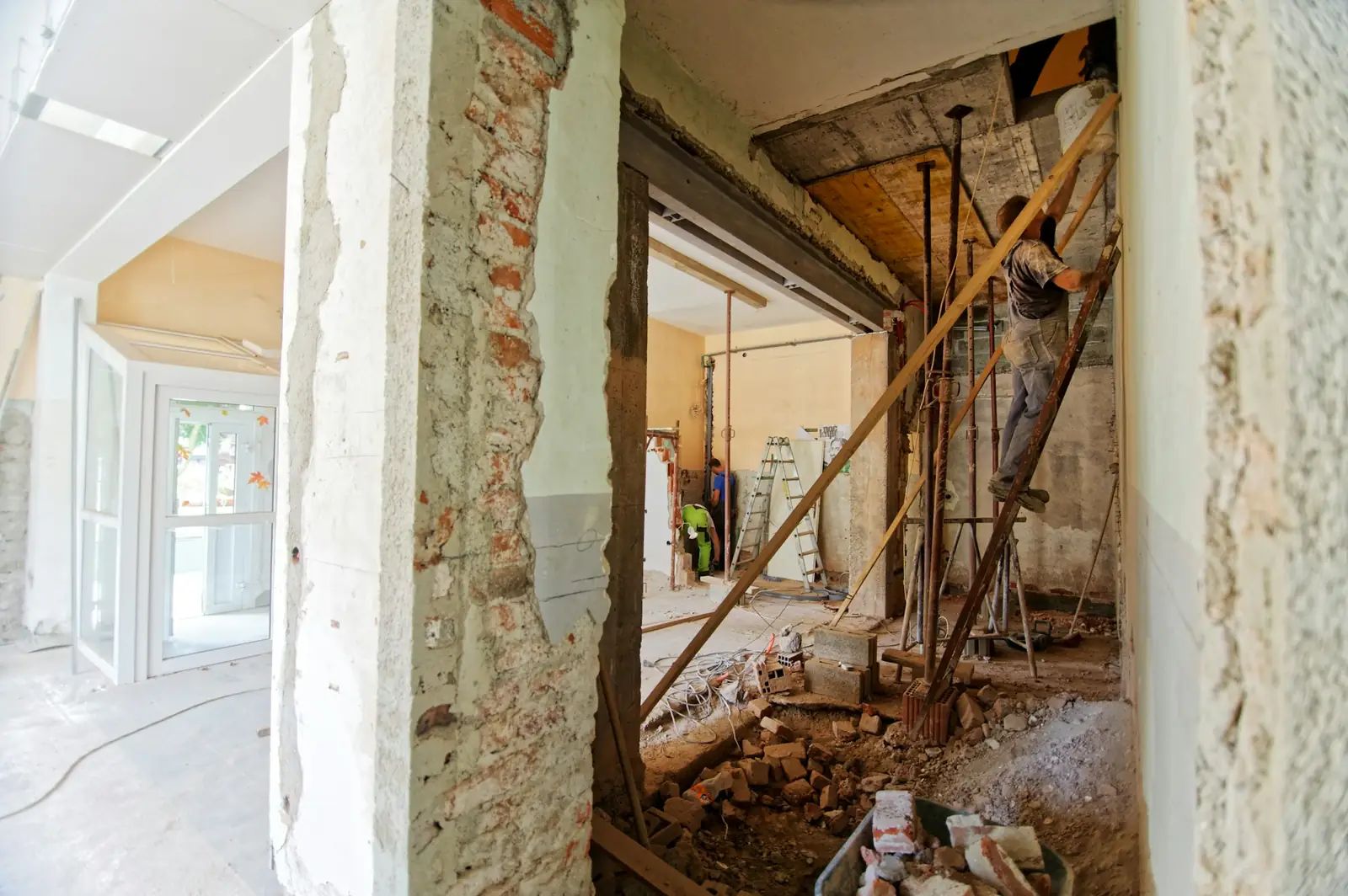
Demolition · Ottawa
Interior demolition and strip-outs in Ottawa
Your renovation starts with a clean, open room. We take out the cabinets, drywall, tile, flooring and fixtures, protect what stays, haul every piece away and hand the space back ready for the next trade.
- The promise Ready for the next trade Debris hauled away, site cleared for the next crew.
- Demolition quotes Book a site visit We walk the job with you, then price it in writing.
- Junk removal Text us photos Send a few pictures, get a price back.
- Service area Ottawa & area Kanata to Orléans, Barrhaven to Vanier. Outside Ottawa? Ask us.
Who it’s for
Who calls us for this
- Homeowners starting a kitchen, bathroom or basement renovation
- Renovators and contractors who would rather not put their carpenters on demo
- DIY renovators who want the heavy, dirty part done in a day or two
- Landlords turning over a unit between tenants
Quoted on site
Every demolition job is priced in person. We walk the space with you, check access and the age of the building, then send a written quote.
Book a site visitScope
What’s included
- Floor and stair protection on the path from the work area to the door
- Poly dust walls around the work area and sealed returns on the furnace
- Removal of cabinets, counters, drywall or plaster, tile, flooring, trim and fixtures
- Capped and disconnected fixtures removed once your plumber or electrician has made them safe
- All debris carried out, loaded and hauled to licensed sorting and recycling facilities
- Metal pulled for scrap recycling, clean wood and drywall separated where the facility allows
- Final sweep and shop-vac, ready for framing or inspection
Not included
- Asbestos, vermiculite or other designated-substance removal. A licensed abatement contractor does that first
- Disconnecting live gas, electrical or plumbing. Your licensed trades do that before we start
- Removing load-bearing walls without an engineer’s design and a building permit
Ottawa notes
What Ottawa homeowners should know first
Most interior strip-outs do not need their own demolition permit, but the renovation that follows often needs a building permit, especially if walls, plumbing or structure change. If your project needs one, have it applied for before we start so the inspector sees the walls open.
If your house was built before 1990, have a designated-substances survey done before demolition. Plaster, textured ceilings, 9×9 floor tiles, pipe wrap and vermiculite attic fill are the usual suspects in Ottawa homes from that era.
Condos and apartments: book the service elevator and confirm the board’s permitted working hours. We work to them.
How it works
Site visit in. Debris out.
Most of the risk in demolition is in the planning: missed disconnects, surprise asbestos, a bin with nowhere to go. We sort that out before anyone swings a bar.
- 01
Book a site visit
Call, text or use the form. We set a time to walk the job with you and look at what is coming out, the access and the age of the building.
- 02
Get a written quote
Scope, exclusions, price and any conditions, like a clean designated-substances survey, all in writing.
- 03
We line it up
Permits, utility disconnects, surveys and dates. We give you the checklist, track the lead times and confirm the day.
- 04
Down and hauled
Protection goes down, the work gets done, debris goes to licensed sorting and recycling, and the site is left ready for the next trade.
Asbestos & permits
We don’t touch asbestos. That’s the point.
Some demolition companies will tell you they do it all. We do the demolition, and we make sure the steps before it happen in the right order, by the right people: survey first, licensed abatement, then us.
Read the asbestos and permit FAQ- Built before 1990? Ontario law puts the onus on the owner to identify designated substances before a contract is signed. That means a designated-substances survey.
- Survey finds asbestos? A licensed abatement contractor removes it, and you get a clearance letter.
- Utilities and permit. Gas, hydro, water and sewer disconnected where needed. Enbridge alone takes about 44 days, so it gets requested first.
- Then we demolish. No change orders for surprise asbestos, no stop-work orders, no crew exposed.
FAQ
Interior Demolition & Strip-Outs: common questions
How long does a kitchen strip-out take?
A typical kitchen is a one-day job: protection, strip to the studs, load out and sweep. A full basement usually takes two to three days depending on how much is finished and how far we carry.
Do I need to be home?
Only to walk through the scope with us at the start and sign off at the end. Many clients leave us a lockbox code.
Can you keep the cabinets or fixtures?
Yes. Tell us what you want saved and we will remove it carefully and stack it where you choose. Anything salvageable that you do not want can go to reuse instead of the landfill.
What about the dust?
We build poly walls around the work area, cover the floor path to the exit, seal the furnace returns and finish with a shop-vac. Demolition is never dust-free, but the rest of your home stays livable.
My house is from the 1970s. Can you still quote?
Yes. We quote after a site visit and mark the quote as conditional on a designated-substances survey. If the survey finds asbestos, a licensed abatement company removes it, and we start once you have the clearance letter.
Related
Often booked together
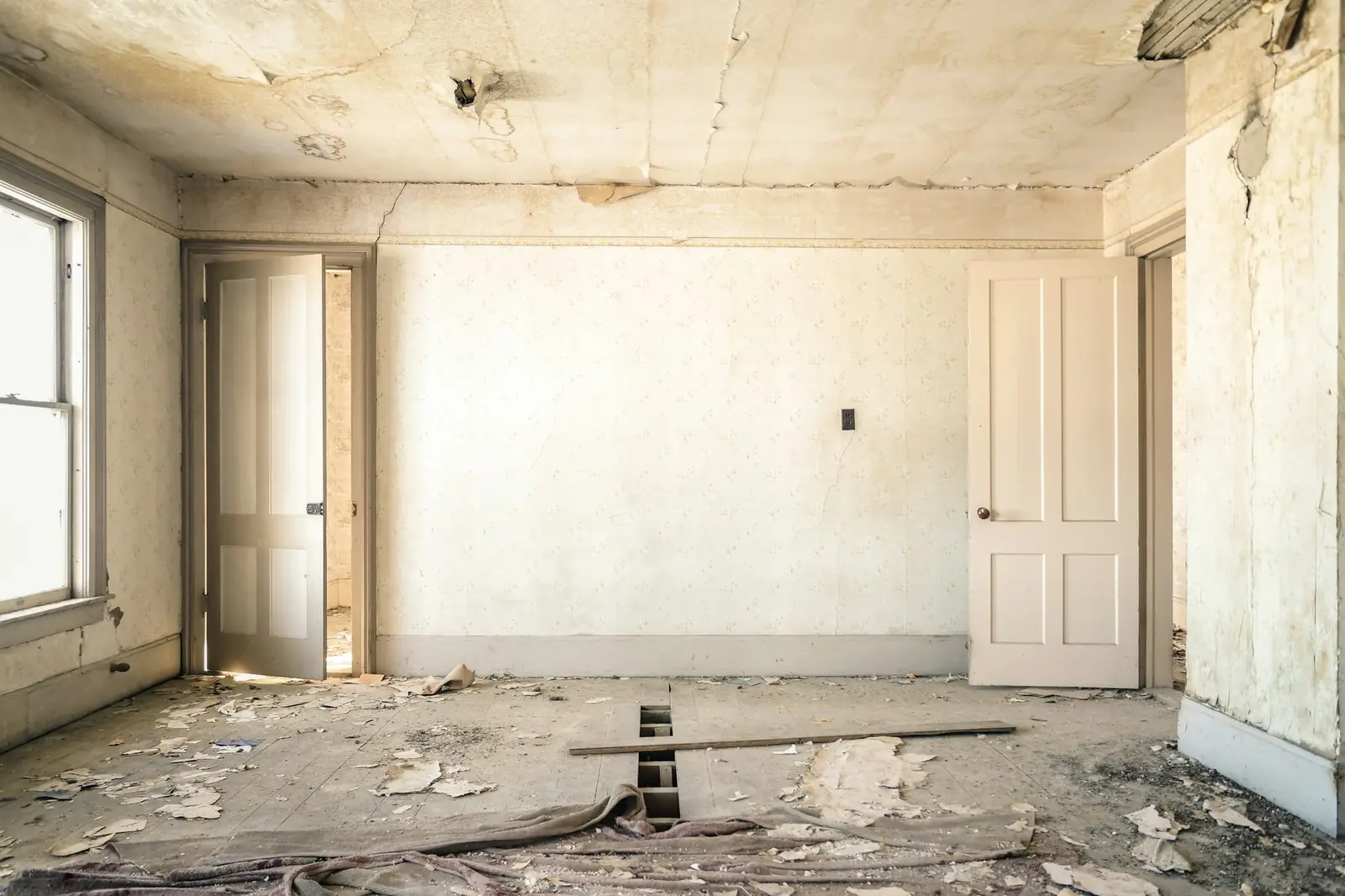
Full Interior Gut
Whole houses and floors taken down to studs and joists for a full renovation, fire or flood rebuild.
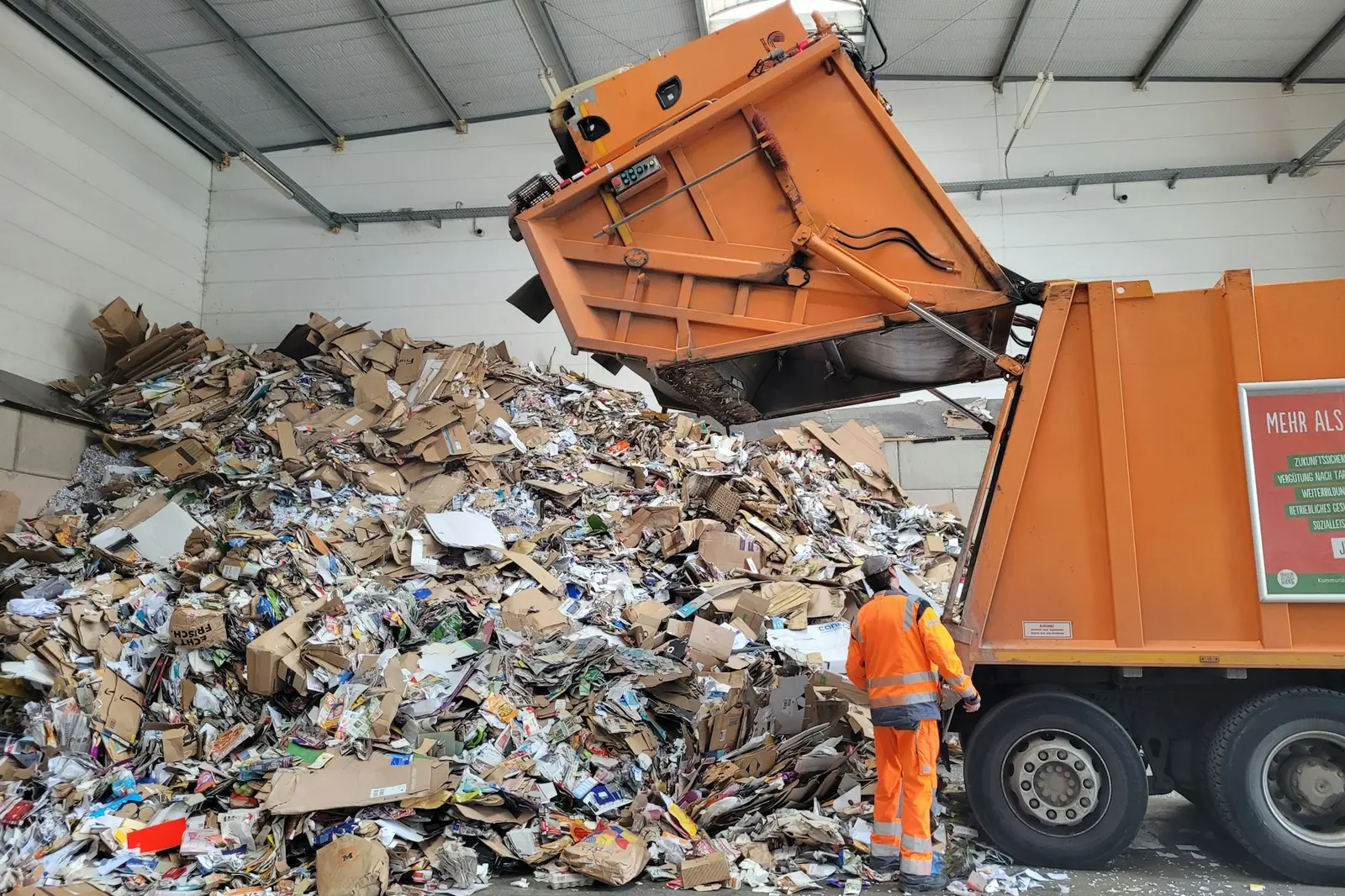
Junk Removal
Basements, garages, estates, renovation debris and the heavy stuff other junk companies avoid.
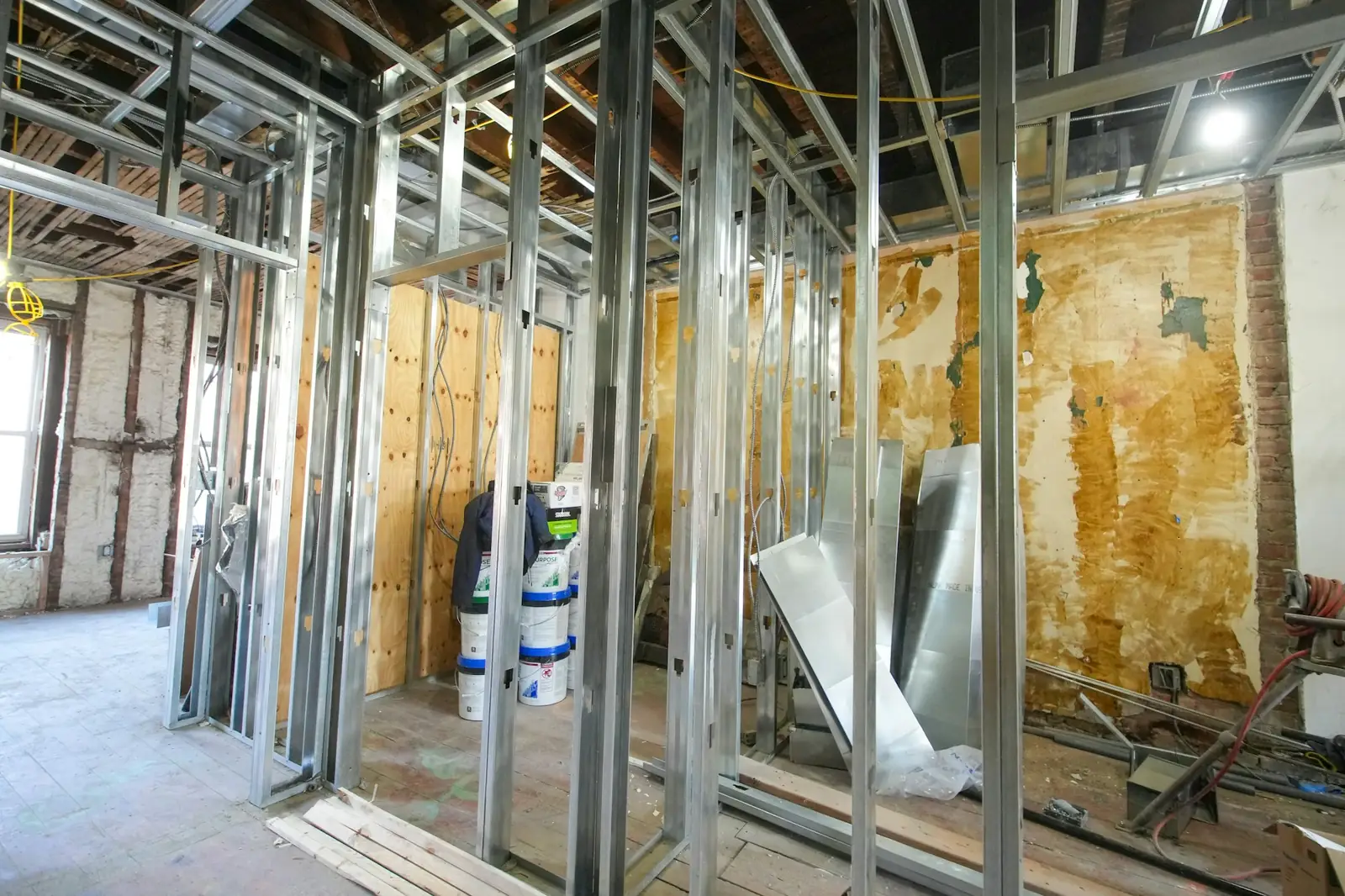
Commercial Demolition
Office, retail and restaurant strip-outs back to shell for landlords, tenants and general contractors.
Request a quote
Ready when you are. Let’s get it out.
Demolition is quoted on site: book a visit and we walk the job with you. Junk removal? Text us a few photos and we send a price back.