
Commercial demolition · The Glebe
Commercial strip-outs in the Glebe
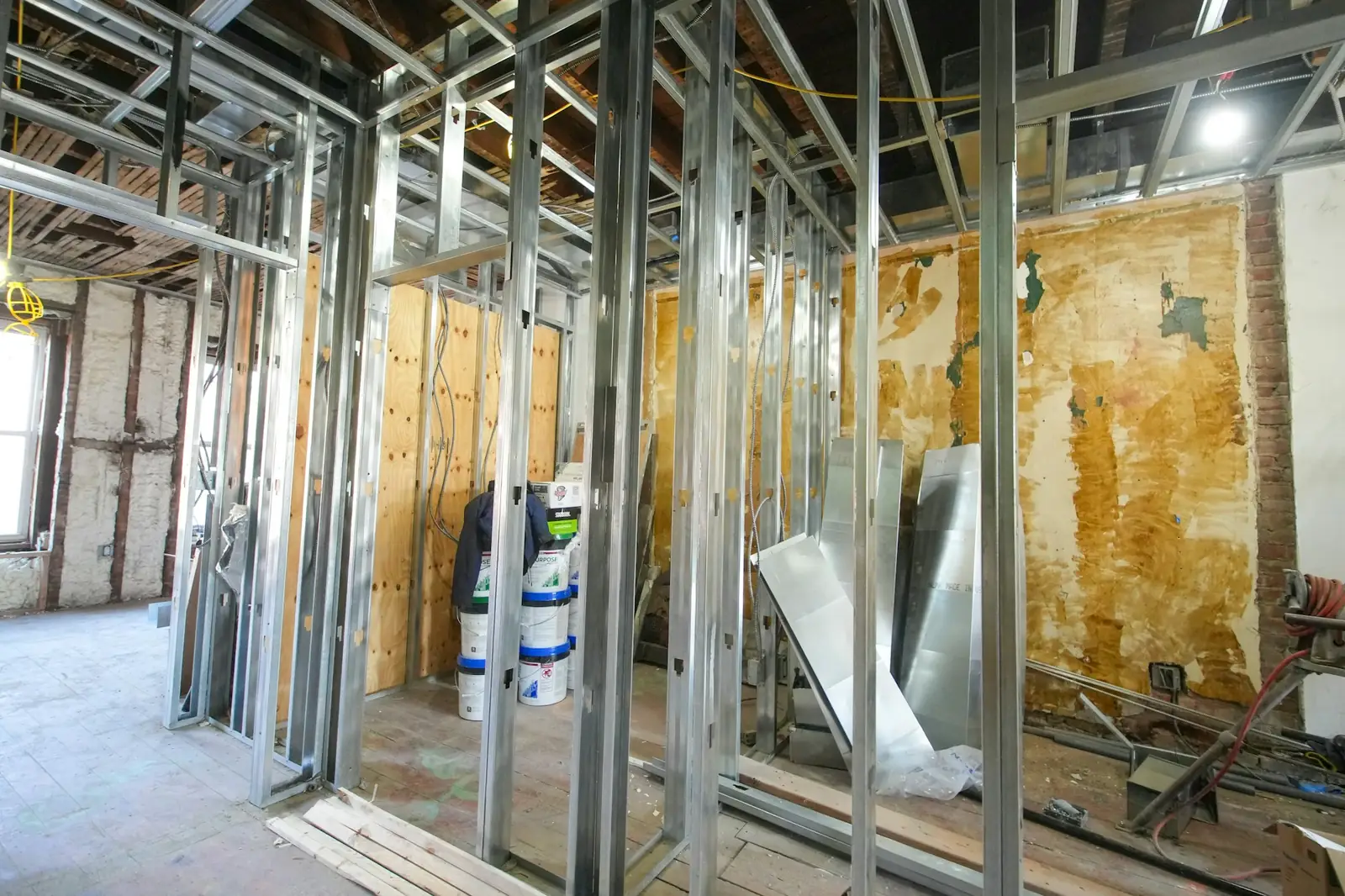
Shops, restaurants and offices along Bank Street through the Glebe change tenants regularly. We strip units to the landlord’s line and plan the loading around one of Ottawa’s busiest main streets.
- The promise Ready for the next trade Debris hauled away, site cleared for the next crew.
- Demolition quotes Book a site visit We walk the job with you, then price it in writing.
- Junk removal Text us photos Send a few pictures, get a price back.
- Service area Ottawa & area Kanata to Orléans, Barrhaven to Vanier. Outside Ottawa? Ask us.
In The Glebe
What the work looks like in The Glebe
The Glebe’s stretch of Bank Street is lined with storefronts in older brick buildings, many with apartments or offices above. Units in older buildings can hide decades of layered finishes, so the owner’s designated substances report comes first, and anything that changes the outside of a building in a heritage district needs heritage review.
Bank Street has no room for a bin and limited loading. We load from rear lanes or side streets during permitted hours, bag debris inside the unit, and apply for a City temporary encroachment permit in advance where the street has to be used. Commercial debris goes to private licensed facilities.
The Glebe was largely built in the first half of the 20th century: brick and frame houses, semis and row houses on narrow lots, many with plaster walls, original trim and low basements. More about The Glebe
Typical projects
- Retail and boutique units on Bank Street returned to shell
- Restaurant, café and bar strip-outs
- Second-floor office and clinic suites
- Basement storage areas under storefronts cleared
Quoted on site
Demolition in The Glebe is priced in person. We walk the job, check access and the building’s age, then send a written quote.
Book a site visitPermits & paperwork
Before work starts in The Glebe
Interior strip-outs ahead of a fit-out are usually handled within the fit-up building permit, while taking down a whole building needs a demolition permit. Under Ontario’s Occupational Health and Safety Act, the building owner provides a list of designated substances before the contract is signed.
Check whether your address is in a heritage conservation district, such as Clemow Estate East or the Clemow-Monkland Driveway and Linden Terrace district. The City requires Demolition Control approval for heritage-designated properties, and the 2026 permit fee for a heritage-protected building is $3,510 (fee schedule).
Any building from before 1990 gets a hazardous materials survey first. If it finds asbestos or other designated substances, abatement is referred to licensed specialists, and our crew starts after the clearance letter.
Disposal
Torn out. Hauled out.
Every job ends ready for the next trade. Here is where the debris goes.
Since July 1, 2025 the City’s Trail Road landfill no longer accepts industrial, commercial and institutional waste (City memo). Commercial debris goes to private licensed facilities that sort and weigh every load, and we provide weigh tickets and a diversion summary.
On larger jobs, a roll-off bin from a licensed bin company sits on your property, and the bin company hauls it away and handles the tipping at its own facility.
On smaller jobs our crew loads our own trucks and hauls to the Tomlinson Waste Recovery Centre at 106 Westhunt Drive in Carp, which sorts mixed construction and demolition debris for recycling and accepts commercial loads.
Narrow Glebe lots rarely have room for a bin, so debris is bagged and loaded to our trucks daily. A bin on the street needs a City temporary encroachment permit.
What’s included
- Site meeting with the GC, landlord or property manager to confirm scope and base-building protection
- Partitions, ceilings, flooring, millwork and de-energised services removed to the agreed line
- After-hours and weekend work in occupied buildings
- Cleared handover, ready for layout, with weigh tickets for your records
Full scope and exclusions: Commercial Demolition
Asbestos & permits
We don’t touch asbestos. That’s the point.
Some demolition companies will tell you they do it all. We do the demolition, and we make sure the steps before it happen in the right order, by the right people: survey first, licensed abatement, then us.
Read the asbestos and permit FAQ- Built before 1990? Ontario law puts the onus on the owner to identify designated substances before a contract is signed. That means a designated-substances survey.
- Survey finds asbestos? A licensed abatement contractor removes it, and you get a clearance letter.
- Utilities and permit. Gas, hydro, water and sewer disconnected where needed. Enbridge alone takes about 44 days, so it gets requested first.
- Then we demolish. No change orders for surprise asbestos, no stop-work orders, no crew exposed.
FAQ
Commercial demolition in The Glebe: questions
Can you strip a unit with apartments above?
Yes. We keep noisy work to agreed hours, protect shared entrances and stairs, and keep dust out of the residential side.
Do you need a permit to load on Bank Street?
If a truck or bin occupies the street, yes: a City temporary encroachment permit, which takes at least ten business days. We load from lanes or side streets wherever possible.
Can storefront features be kept?
Yes. Original storefronts, tin ceilings or trim marked to stay are protected or removed by hand and stored.
Can you work inside a heritage district home?
Yes. Interior work is generally outside heritage permits; the Clemow-Monkland district plan, for example, lists interior alterations among work that does not need one. Anything that changes the exterior needs heritage approval first.
Request a quote
Torn out. Hauled out. Ready for the next trade.
Demolition in The Glebe is quoted on site: book a visit and we walk the job with you. Junk removal? Text us photos.